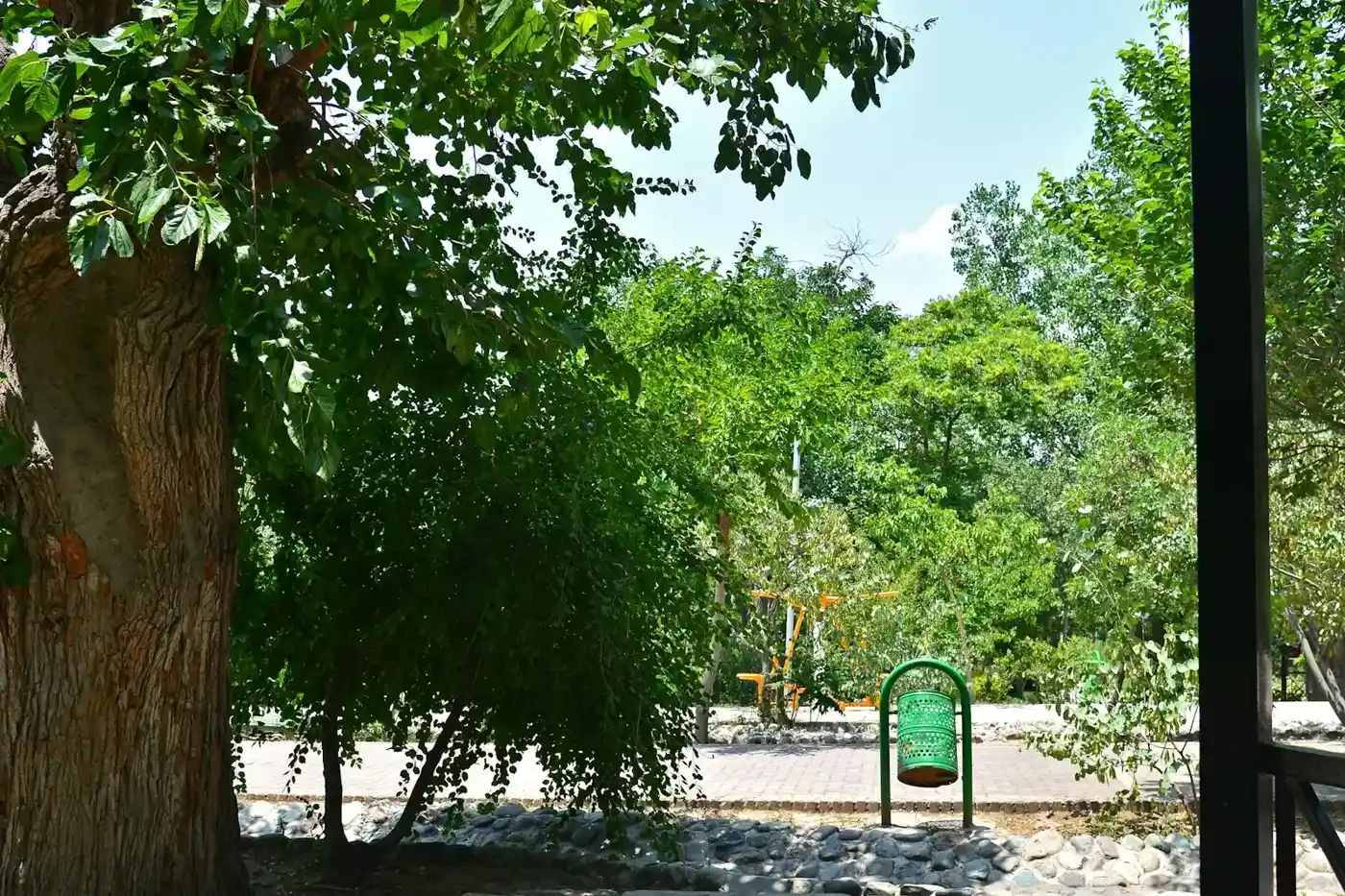
Pomona, CA has several historic districts, including Lincoln Park and Wilton Heights, where exterior changes are reviewed through the City's historic preservation program. Tree work can fall under that review. Removing a street tree, a mature significant tree or a specimen (heritage) tree on a historic site is treated as a major project that needs a Certificate of Appropriateness. Routine trimming that follows City pruning standards is generally handled differently. Emergencies that threaten life, property or utilities are an exception.
Why trees matter in historic districts
The look of Pomona's older neighborhoods depends as much on their trees as on their houses. Rows of camphors, elms and sycamores, deodars by the porch and magnolias in the front yard were part of the original landscape. The preservation program treats those trees as part of the district's character.
Certificate of Appropriateness basics
The historic preservation page describes how the City reviews changes in historic districts. In general:
- Minor changes may qualify for a Minor Certificate of Appropriateness, reviewed by City staff.
- Major projects go to the Historic Preservation Commission.
- Tree removals of street trees, mature significant trees and specimen trees are listed as major projects.
The City's preservation applications page has the forms.
What usually does not need review
- Trimming that follows the City's street tree policy and accepted pruning standards.
- Emergency work on a tree that threatens life, property or utilities.
- Routine maintenance of smaller trees and shrubs that are not significant trees.
The details matter, so check with the Planning Division before a removal or major pruning, even if you think it is minor.
How we help
- Document the tree. Photos, size, species and condition notes for your application.
- Explain the need. Clear descriptions of decay, cracks, lean or root damage.
- Plan replacements. Suggestions for species that suit the district and the spot.
- Do the work once approved, following any conditions.
A tree health assessment is often the first step when you are not sure whether a tree can be saved.
Emergencies
If a storm splits a tree in a historic district and it threatens your home, the emergency exception applies. Make the area safe, take photos before and after, and let the City know. Our storm damage service can help with private trees. Call the City at (909) 620-3759 for City trees.
Planning ahead
Trees in older districts are often near the end of their lives. If a large tree is declining, start the conversation with the City early. Planting a replacement before the old tree comes out keeps shade on the lot and the character of the street.
Common species in Pomona's older districts
- Camphor, large and dense, often lifting walks.
- Chinese elm, with weak unions.
- Sycamore, prone to anthracnose and shot hole borers.
- Deodar cedar, long-lived but heavy.
- Magnolia, slow and stately.
- Palms, tall and often near lines.
Related guides
Read our guide to Pomona street trees for the street tree permit rules, and our tree removal service page for how we take down trees on tight, older lots.
Call (909) 479-2666 if you live in a historic district and want to talk through a tree.
Choosing replacement trees
When a removal is approved, the replacement should fit both the spot and the district. Ask the City whether it has a preferred species list for your street. In general, pick trees that match the scale of the old canopy over time, avoid species with aggressive roots near old clay sewer laterals, and plant far enough from the house and walk to give the roots room. Water new trees deeply and regularly through their first summers. A well-chosen replacement keeps the street's character for the next generation of owners.
Planning the timing? See our pruning calendar.
Common questions
Do I need a Certificate of Appropriateness to remove a tree in Lincoln Park?
If the tree is a street tree, a mature significant tree or a specimen tree on a historic site, removing it is treated as a major project under Pomona's historic preservation program, which calls for a Certificate of Appropriateness. Check with the Planning Division to confirm what applies to your specific tree and lot.
Can I prune trees in a Pomona historic district without review?
Trimming street trees in line with the City's street tree policy and accepted pruning standards is generally treated differently from removal. Pruning private trees is usually routine. Heavy cuts, topping or anything that harms a significant tree can raise issues, so check with the City before major pruning.