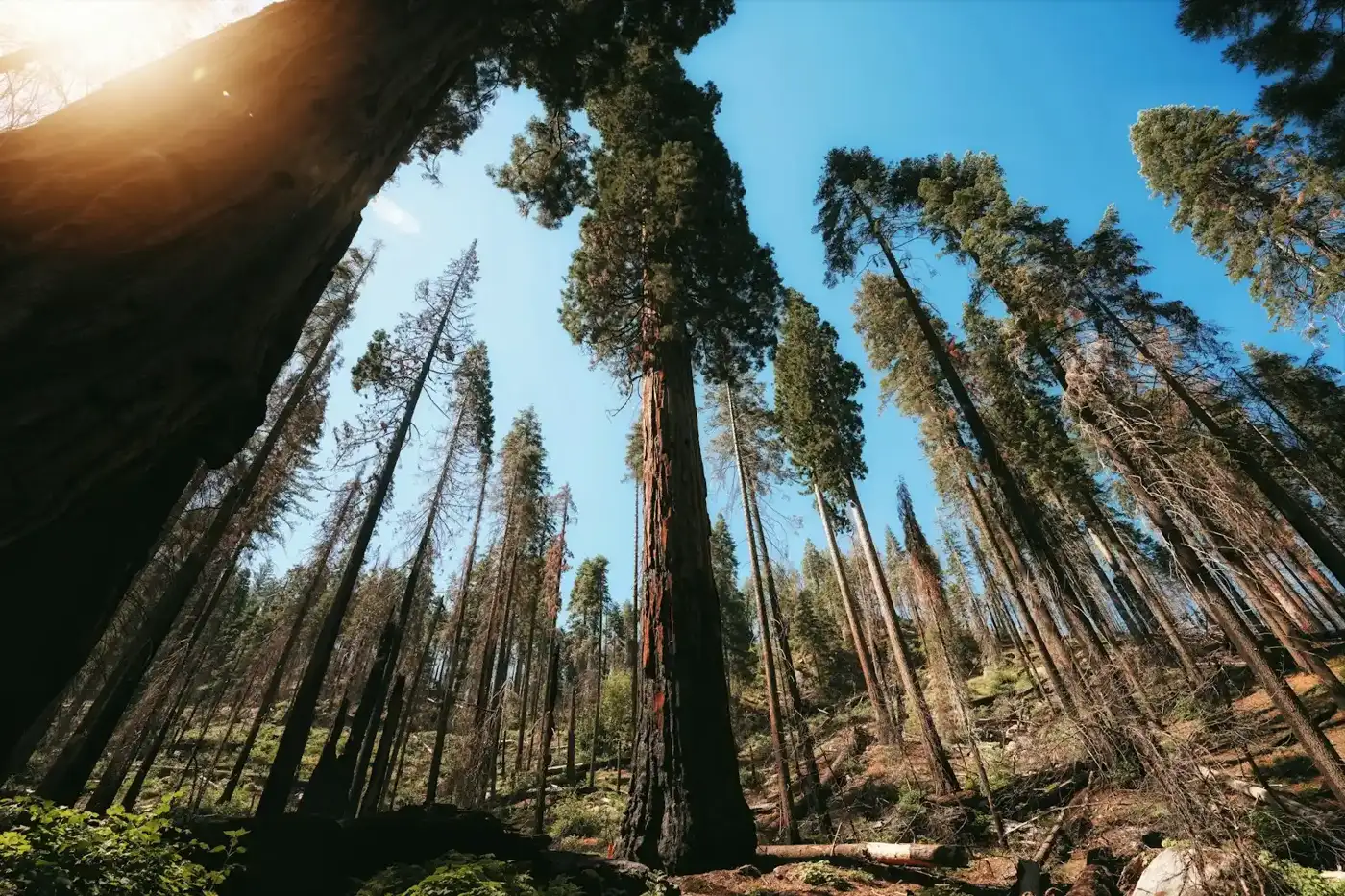
We provide tree service in Walnut, CA, including pruning, removals, palm trimming, brush clearance and stump grinding in Walnut Ranch, Snow Creek, Timberline, Lemon Creek and the streets near Mt. San Antonio College. Walnut has one of the strictest oak and walnut ordinances in the region. Any oak or walnut tree measuring 6 inches or more in circumference at 4.5 feet above grade is protected, and you need a City tree permit before cutting, pruning, removing, relocating or encroaching into its protected zone. Call (909) 479-2666 before any work near an oak or walnut.
Walnut's oak and walnut ordinance
The rules are in Walnut Municipal Code, Article V, Oak/Walnut Tree Preservation. In practical terms:
- Small trees count. Six inches in circumference is about two inches in diameter, so even young oaks and walnuts are covered.
- Pruning is covered. Not just removal. Cutting, pruning or damaging a protected tree needs a permit.
- The protected zone around the tree, roughly the area under and just beyond the canopy, is also covered. Trenching, paving or grading there needs approval.
- Applications include a tree report, a survey of the tree and its protected zone, photos and a written justification.
- The City's policy is to preserve healthy trees unless there are compelling reasons for removal.
Because the ordinance is broad, we treat any oak or walnut in Walnut as protected until the City says otherwise.
City trees in Walnut
Street trees, trees in landscape maintenance districts, medians and parks are City trees under Walnut Municipal Code Chapter 5.20. They are planted and removed by the City or with an approved request form from Community Services. Do not trim or remove a City tree yourself.
Trees we work on in Walnut
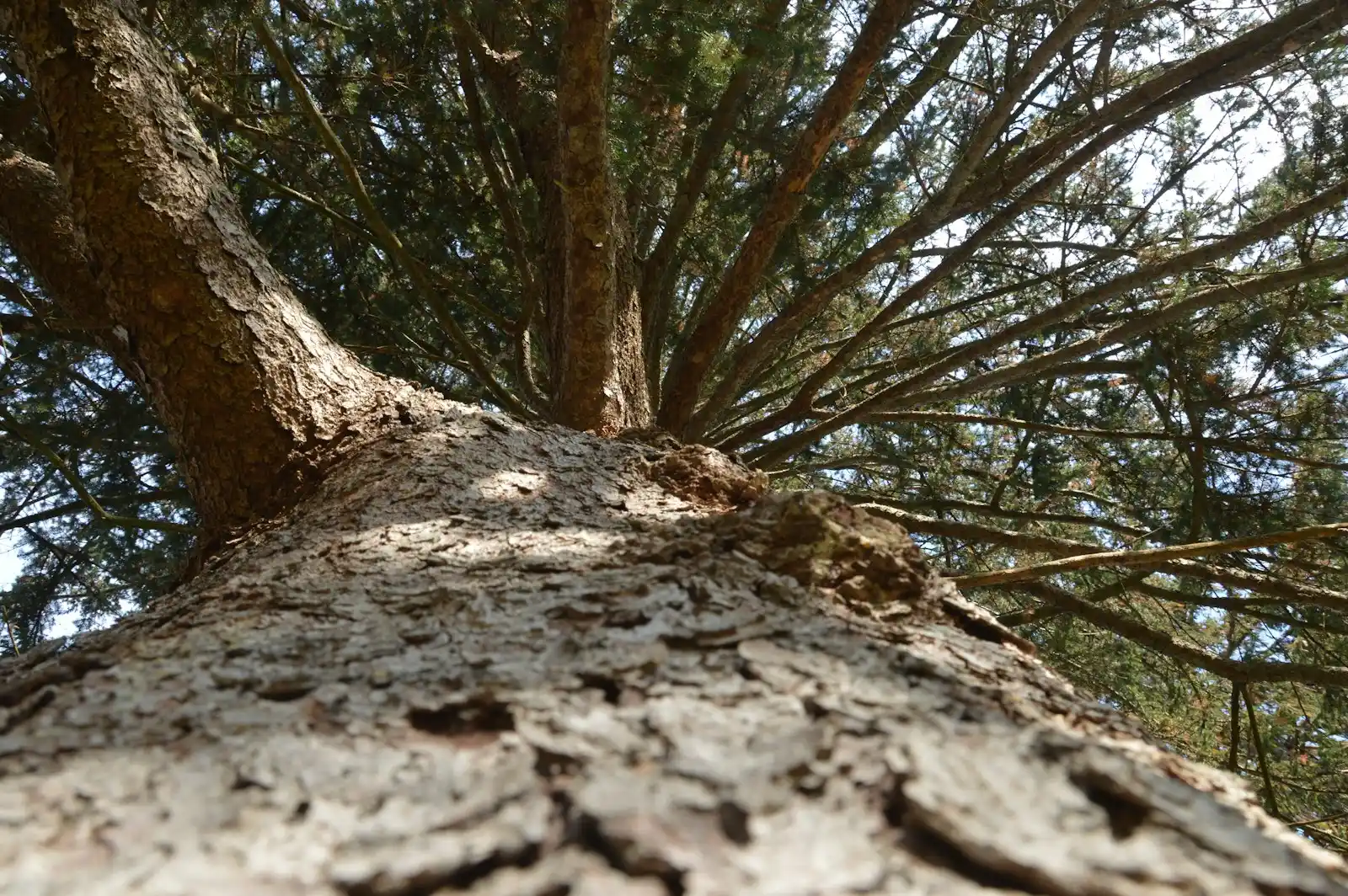
Besides native oaks and walnuts, Walnut yards carry many planted trees that are not covered by the oak and walnut rule:
- Pines and deodars, often on hillside lots.
- Eucalyptus in old windbreaks and along slopes.
- Pepper trees, camphor and ficus in older neighborhoods.
- Fan palms and queen palms around pools and entries.
- Fruit trees, including citrus and avocado.
Those trees we can usually prune or remove with no City permit, as long as no oak or walnut root zone is disturbed. We check for nearby protected trees before we set up.
Hillside lots and fire safety
Many Walnut neighborhoods climb into the hills, with steep slopes behind the houses. Defensible space work here means cutting dry brush low, clearing palm skirts and lifting limbs off roofs. When the clearance area includes oaks or walnuts, even light pruning needs a permit, so plan clearance work early in the season to leave time for approval.
Near Mt. SAC and Lemon Creek
Around Mt. San Antonio College and Lemon Creek Park, neighborhoods are older and flatter, with bigger street-side trees on private lots. Typical jobs there are thinning heavy trees, removing dead pines, trimming palms and grinding old stumps. See tree trimming and stump grinding.
Storms and power lines
For trees within 10 feet of an overhead line, call SCE at 1-800-611-1911 first. If a protected oak or walnut is damaged in a storm and poses an immediate hazard, contact the City as soon as you can and document the damage with photos. For fallen non-protected trees, our storm damage service can help.
Nearby
Walnut borders Diamond Bar to the south, Covina and West Covina to the north and west, and Pomona to the east. Our guide to protected oaks and walnuts compares the rules in each city.
Planning a permit in Walnut
The City recommends a pre-application conference for oak and walnut permits, and larger requests can go to the Planning Commission, so allow time. A good application explains why the work is needed and includes clear photos. If the tree is dead, diseased or a hazard, say so plainly. When the City asks for a tree report, it needs to come from a qualified professional, and we can tell you what we see before you hire one. Once a permit is issued, we schedule the work and follow its conditions, including any replacement planting.
Call (909) 479-2666 for an estimate.
Working around protected trees
Even when the job is a pine or palm, a protected oak or walnut nearby changes how we work. The protected zone around an oak covers much of the ground under its canopy and a bit beyond, and heavy equipment, piles of logs or a stump grinder parked there can compact soil and damage roots. On Walnut jobs, we:
- Mark the protected zone of any nearby oak or walnut before we set up.
- Keep trucks, chippers and log piles outside that zone.
- Lay plywood or mats where the crew has to walk under a protected canopy.
- Lower limbs from the other tree so they do not strike the oak or walnut.
- Avoid grinding stumps inside a protected zone without City approval.
If an oak's canopy overhangs the tree we are removing, any cut to the oak itself, even a small one, still needs a permit.
Young oaks and walnuts
Because the threshold is so small, many Walnut homeowners have protected trees they did not plant, such as volunteer oaks growing along fences and walnut seedlings in planters. Leave them alone until you have spoken with the City. If a young oak is in the wrong spot, the City can tell you whether relocation or removal is possible and what replacement it would require. A healthy young oak can become a real asset to the property if it has room.
Other cities near Walnut are listed on our service areas page.
Common questions
Do I need a permit to prune an oak or walnut tree in Walnut?
Yes. Walnut requires a City tree permit before anyone cuts, prunes, removes, relocates or damages a protected oak or walnut tree, or encroaches into its protected zone. Protected trees are those 6 inches or more in circumference at 4.5 feet above grade, which covers even fairly young trees.
Can I remove a pine or palm in Walnut without a permit?
Usually, if it is a private tree that is not an oak or walnut and is not a City tree. The oak and walnut ordinance covers those two species. Be careful not to damage nearby oak or walnut roots during the work. City street, median and park trees always need City approval.