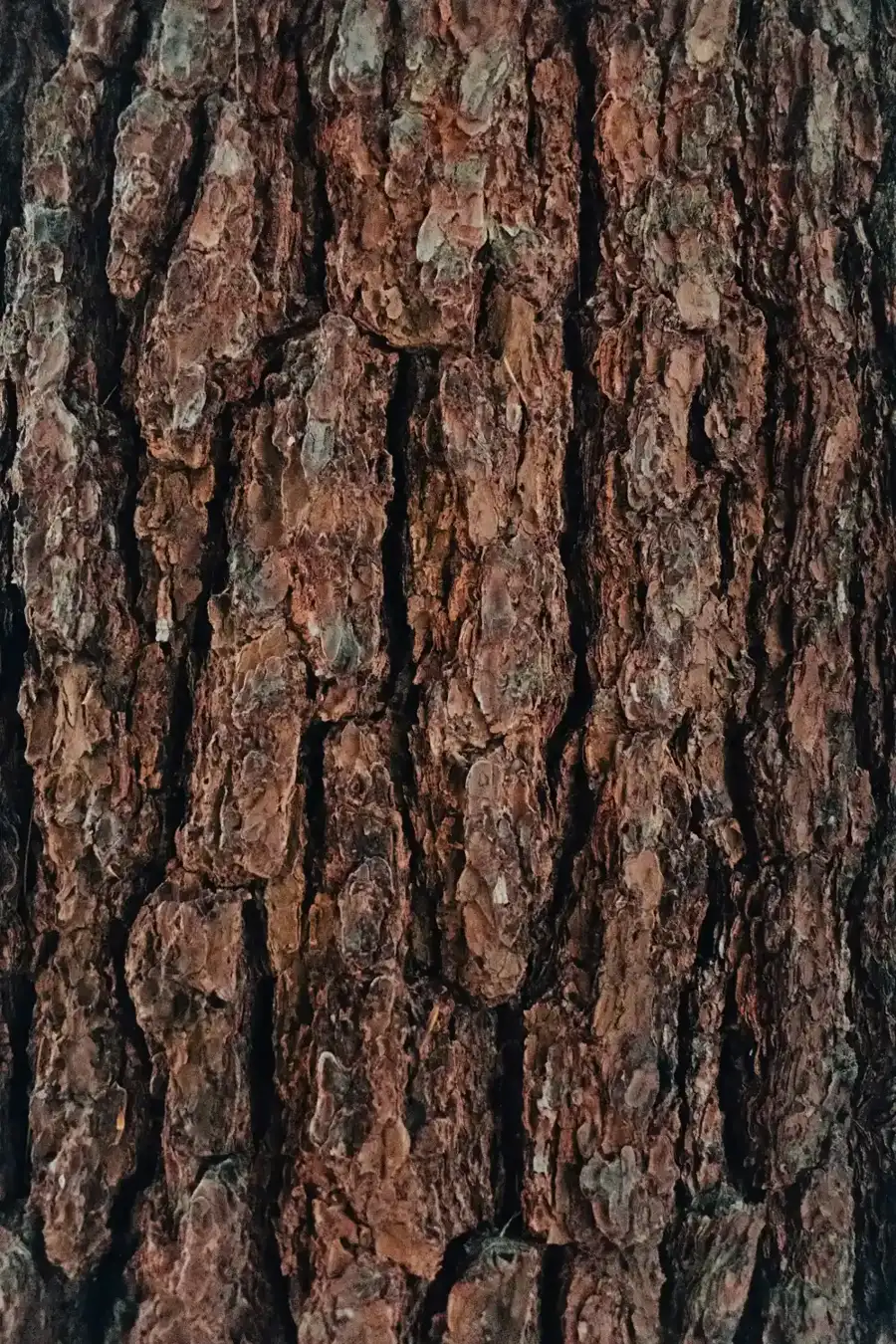
A tree health assessment in Pomona, CA starts with a careful walk around the tree and a close look from the root flare to the top of the crown. We check for decay, cracks, weak branch unions, root damage, lean, pests and signs of drought or heat stress, then explain what we see in plain English and what we would do about it. Sometimes the answer is pruning, sometimes watering and patience, and sometimes removal. Call (909) 479-2666 to book a visit.
When to have a tree checked
- New lean or soil lifting on one side of the trunk.
- Cracks in the trunk or where two big stems meet.
- Mushrooms or conks at the base or on the trunk.
- Dieback, with bare branches at the top or ends of the canopy in the growing season.
- Oozing, sap or bleeding from the bark.
- Leaves turning early, wilting or dropping in spring or early summer.
- Construction nearby, especially trenching, new paving or a new wall within the root zone.
- Before buying a home with large trees close to the house.
What we look at
- Roots and root flare. Girdling roots, cut roots, rot at the base, heaving soil.
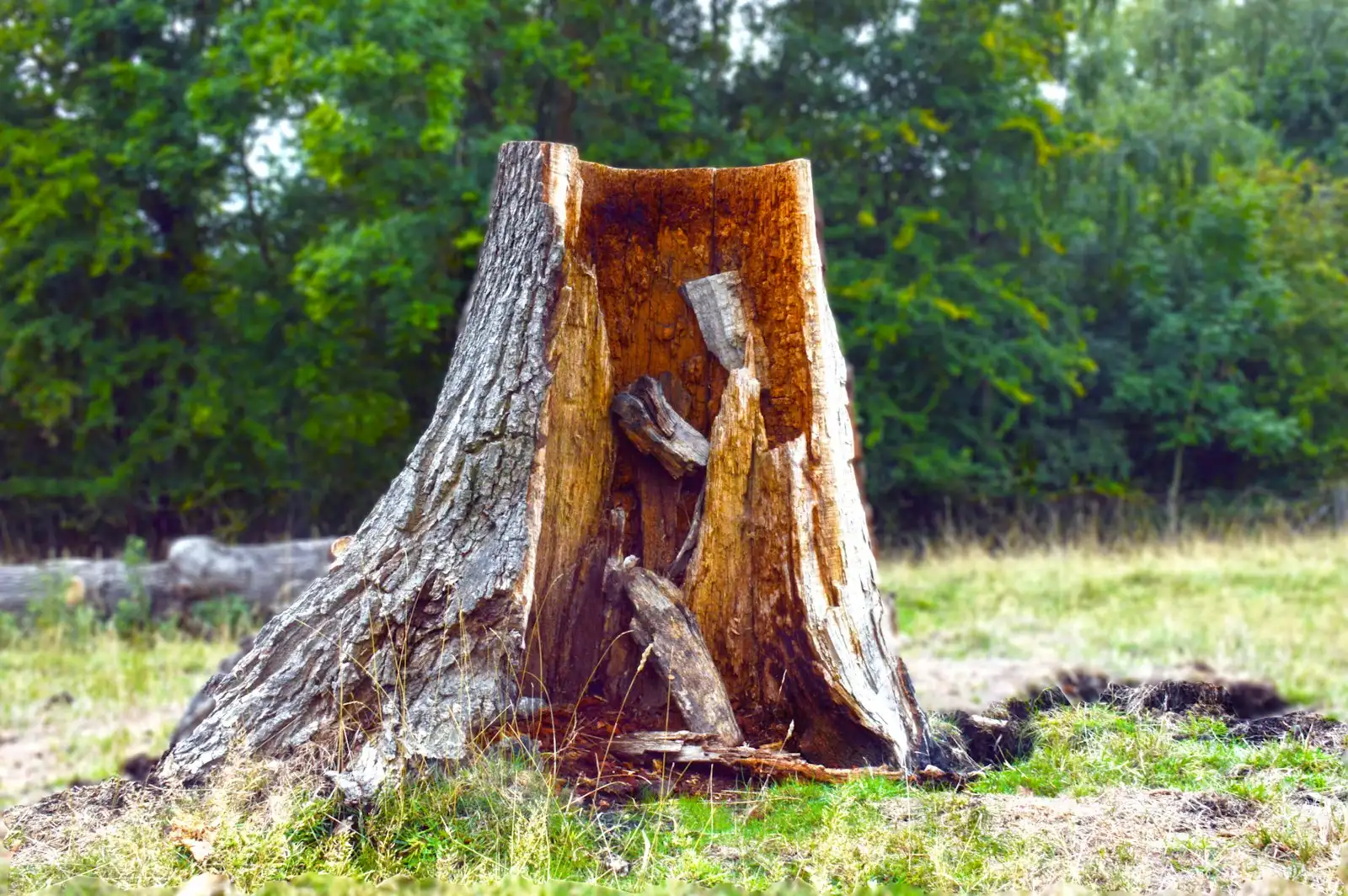
- Trunk. Cavities, cracks, cankers, old wounds, decay pockets and fungal bodies.
- Branch unions. Tight, V-shaped unions with included bark that can split.
- Crown. Deadwood, dieback, density and whether weight is balanced.
- Pests. Bark beetle holes, borer frass, scale, psyllids and mites.
- Site. What is under the tree, irrigation, recent changes and how exposed it is to wind.
Common problems in Pomona trees
- Drought and heat stress. Pomona summers are hot. Trees that lost lawn irrigation during water restrictions often decline over the following seasons.
- Bark beetles in stressed pines.
- Shot hole borers. Invasive shot hole borers have been found across Southern California and attack sycamores, box elders and many other species. The UC IPM program has identification help.
- Sycamore anthracnose, which causes spring leaf drop and twig dieback after wet weather.
- Root rot in trees with constant overhead lawn watering against the trunk.
- Old topping wounds that have decayed into the main stems.
Risk, not just health
A tree can be healthy and still risky, or sick and still safe for now. We look at both: how likely a part of the tree is to fail and what it would hit if it did. A dead limb over an empty slope is a low priority. The same limb over a driveway or a bedroom is not. That helps you decide what to do first.
What you get
After the visit, you get a summary of what we found and a recommendation for each tree. That might be pruning to remove deadwood and reduce weight, a change in watering, a follow-up check in a season, or removal if the tree is not safe. If a City permit or a historic district review may apply, we note that too, and we can provide photos for a permit application.
Assessments for permits and HOAs
Many cities around Pomona want a tree's condition documented before allowing removal of a protected tree. San Dimas can ask for a technical report from a certified arborist, and Walnut requires a tree report for oak and walnut permits. When a City or HOA requires a report from a certified arborist, we will tell you so you can arrange the right person. Our notes and photos can still help you start the conversation with the City.
Watering and care advice
Many tree problems in Pomona start with water: too little in summer after a lawn is removed, or too much on the trunk from sprinklers. Deep, slow watering at the edge of the canopy, a layer of mulch over the root zone and keeping the trunk dry go a long way. Our pruning calendar includes seasonal watering reminders.
Big eucalyptus and pines
Large eucalyptus and pines get their own guide because they come up so often in Pomona. Read reading the risk on big eucalyptus and pines to see what we look for and when thinning or removal makes sense.
Before you buy a home with big trees
Large trees add a lot of value to a Pomona property, but they can also add a removal bill or a sewer repair. If you are in escrow on a home with mature trees close to the house, a pre-purchase look lets you see what you are taking on. We check each large tree for decay, cracks, deadwood and root conflicts with the foundation, driveway and sewer lateral, then give you a short summary with rough pricing for any recommended work. That information can help with negotiations and with planning your first season of care. Call (909) 479-2666 to schedule.
How long a visit takes
A single-tree check usually takes well under an hour on site. A property with several large trees takes longer, especially if we need to look closely at the root flare or use binoculars on the upper crown.
Common questions
How can I tell if my tree is dying?
Look for bare branches at the top or ends of the canopy in the growing season, leaves wilting or dropping early, bark falling off, mushrooms or conks at the base, and new cracks or lean. One sign alone does not mean the tree is dying. A close look usually shows whether it is stress, pests or decay.
Can a sick tree be saved?
Often, yes. Trees stressed by drought, poor watering or a pest outbreak can recover with better care and the right pruning. Trees with advanced decay at the base, a deep trunk crack or most of the canopy dead usually cannot. We give you an honest read and explain the options for each tree.
Do I need an assessment before removing a tree?
Not for most private trees in Pomona. Some nearby cities require a report for protected oaks, walnuts and heritage trees, and HOAs may ask for one. If the tree is in a historic district or on the street, check with Pomona first. An assessment is also useful when you are unsure whether a tree can be kept.