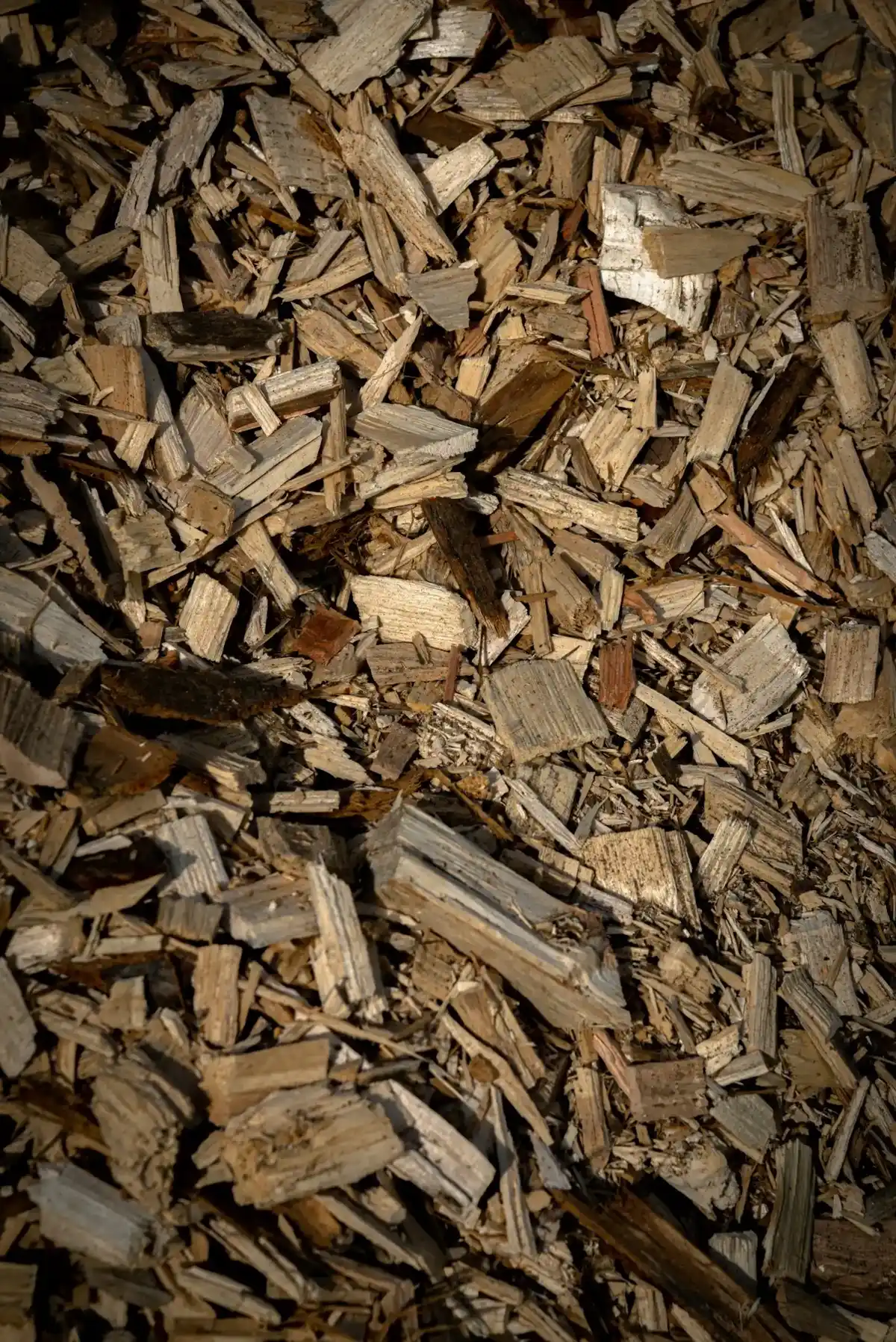
Stump grinding in Pomona, CA removes the visible stump and the top layer of roots with a machine that chews the wood into chips, typically to several inches below grade. It is faster, cleaner and far less disruptive than digging a stump out. The hole is then backfilled with the grindings or with soil, depending on what you plan to put there. Call (909) 479-2666 with the number of stumps and a rough size, and we will give you a price.
Why grind a stump instead of leaving it
A cut stump can sit for a long time, but it rarely stays out of the way:
- It is a trip hazard and a mower obstacle.
- Some species, such as Chinese elm, ficus, pepper and eucalyptus, send up sprouts from the stump and roots.
- Decaying wood attracts termites and carpenter ants close to the house.
- It blocks a new tree, a lawn, a patio or a driveway.
- Old stumps in the parkway can lift the sidewalk further as roots keep growing.
How grinding works
- Mark utilities. Before grinding deep or near possible lines, we contact USA North 811 so gas, water, electric and communications lines are marked. Irrigation and private lines are not marked, so tell us where yours run.
- Clear the area. Rocks and debris around the stump are removed, because they damage teeth and can be thrown.
- Grind. The cutter wheel sweeps back and forth across the stump, working down a few inches at a time until it is below grade.
- Chase surface roots. Large roots near the surface are ground out where they would get in the way.
- Clean up. Grindings are raked into the hole or hauled, and the area is blown clean.
Access on Pomona lots
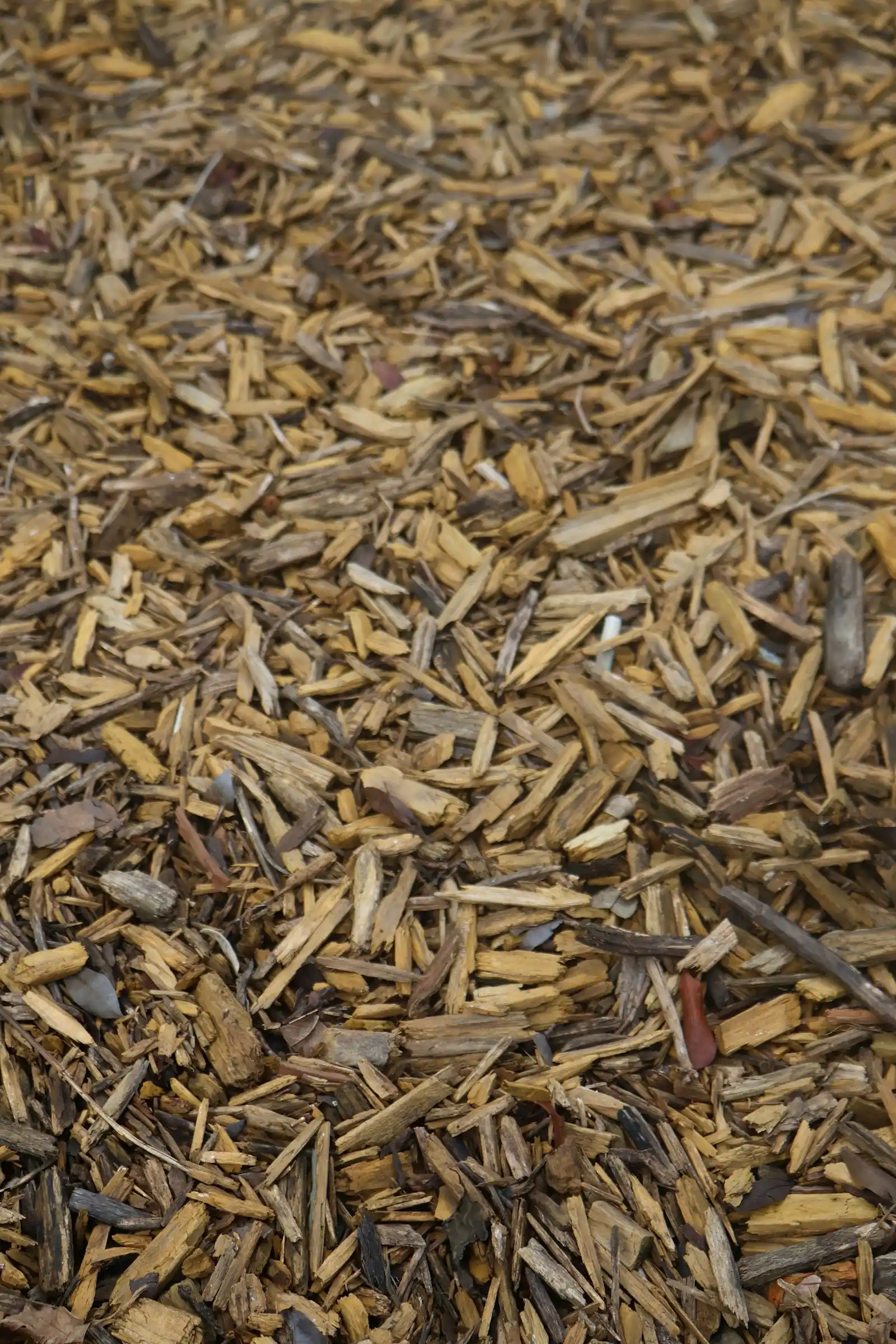
Many Pomona back yards are reached through a single side gate, a narrow walk or the alley. We bring a grinder sized for the access. Compact machines fit through gates about three feet wide, and we lay mats across lawn so the tracks do not rut it. On hillside lots in Phillips Ranch, slopes and retaining walls decide where the machine can safely sit, so we look at those on the visit.
Grinding depth and what comes next
How deep we go depends on your plan:
- Lawn or ground cover. Several inches below grade, with grindings removed and soil added.
- New tree. Deeper and wider, ideally offset from the old stump, since the old root zone takes time to break down.
- Paving or a patio. Grind deep, remove the chips, and let your hardscape contractor compact a base. Wood left under paving settles later.
- Leaving it natural. Grindings raked back in to make a mulch bed.
Parkway stumps
If a stump sits between the sidewalk and the curb, it likely belongs to a City street tree, even if the tree is gone. Pomona requires a written City permit for work on street trees, and Public Works manages those trees. Call the City at (909) 620-3759 before anyone grinds a parkway stump. See our street tree guide.
Stumps, roots and sewer lines
Many older Pomona homes still have clay sewer laterals, and big trees love them. Grinding a stump does not remove roots that are already inside a pipe. If you have had backups, have a plumber camera the line before or after the grind. Our guide to roots, sidewalks and sewer lines explains what can and cannot be fixed with root work.
Pricing stump grinding
Price depends on the diameter at ground level, the species, how many stumps there are and how far the machine has to travel. Hardwoods and very wide, buttressed stumps take longer. Multiple stumps in one visit cost less per stump. If you are also having a tree taken down, adding the grind to the tree removal estimate saves a separate trip.
Stump grinding versus stump removal
Full stump removal means digging out the root ball with excavating equipment. It leaves a large hole, damages the surrounding yard and is usually only done for construction. Grinding is the right choice for nearly every residential stump. If you are building something right where the tree stood, we can talk about deeper grinding and root chasing instead of excavation.
Before you call
Count the stumps, measure across the top of each one if you can, and note how the yard is reached. Photos of the gate or walkway help. If you are planning lot clearing or palm work, mention it so we can quote everything together.
What to expect after grinding
The ground over a ground-out stump settles as the remaining roots decay. If you put soil and sod over the spot, plan to top it up with more soil after a few months of watering. Grindings are high in carbon and can borrow nitrogen from new plants, so if you leave them in the hole for a planting bed, mix in compost or a balanced fertilizer. Sprouts from species like Chinese elm, pepper and ficus can still pop up from roots outside the grind area for a while. Clip them as they appear, and they usually stop once the root system runs out of stored energy. If many sprouts come up, call us and we can grind the problem roots that are feeding them.
Call (909) 479-2666 or send the form at the top of this page.
We grind stumps across Pomona and nearby cities, including tight back yards in Montclair and big ranch lots in Chino.
Common questions
How deep do you grind a stump?
Typically several inches below the surrounding grade, which is enough for lawn, ground cover or mulch. For a new tree or paving, we grind deeper and wider and remove the grindings. We call 811 for utility marking first, and we ask you where any irrigation or private lines run, since those are not marked.
Will the stump grow back after grinding?
The ground-out part will not. Some species, including Chinese elm, ficus, pepper and eucalyptus, can still sprout from roots left in the soil. Those sprouts weaken and stop as the root system runs out of energy. Clip them as they appear, and call us if many keep coming up.
Can you grind a stump in my back yard if the gate is narrow?
Usually. Our compact grinder fits through gates around three feet wide, and we lay mats across lawn to protect it. Very narrow walks, steps or steep slopes can limit access. Send a photo of the route from the street, and we will tell you before the visit whether the machine will fit.